Se abre en una pestaña nueva

Pódcast The Wealth Enterprise Briefing

The Wealth Enterprise Briefing podcast
junio 18, 2026

Inside the Family Office: las claves para preservar el patrimonio entre generaciones

¿Cuál es la diferencia entre las familias que preservan su patrimonio a lo largo de generaciones y las que tienen dificultades para mantenerlo?

Según Mel Lagomasino, socia directiva de WE Family Offices, las familias que gestionan su patrimonio con éxito a lo largo de varias generaciones suelen tener tres características: un conjunto claro de valores familiares, un enfoque disciplinado de la gestión de su patrimonio y un proceso para la preparación de los futuros líderes.

Basándose en más de cuatro décadas de experiencia asesorando a familias con grandes patrimonios en todo el mundo, Mel aborda estos temas junto a Michael Zeuner, también socio directivo, en el primer episodio de nuestra nueva serie de conversaciones en formato pódcast, Inside the Family Office.

Aunque la rentabilidad de las inversiones es importante, las familias que consiguen preservar su patrimonio a lo largo del tiempo y de varias generaciones suelen reconocer que el éxito a largo plazo depende de otros factores más allá del capital financiero.

Definen qué representa su familia

Las familias que han gestionado con éxito la transmisión patrimonial a través de las generaciones comparten un conjunto definido de valores que configuran su identidad y orientan la toma de decisiones.

Mientras algunas de estas familias ponen el énfasis en el emprendimiento o la educación, otras priorizan el servicio a los demás o la responsabilidad en la gestión y conservación del patrimonio. Lo importante es que los miembros de esas familias comprendan qué representan esos valores.

Estos valores proporcionan una base que ayuda a las familias a afrontar los cambios, las oportunidades y las adversidades a lo largo del tiempo. Crean continuidad entre generaciones y sirven como marco para la toma de decisiones importantes.

Gestionan el patrimonio como una empresa

Una de las conclusiones más importantes de la conversación es que las familias que han gestionado con éxito esta transmisión no gestionan su patrimonio como un conjunto de inversiones, negocios, activos inmobiliarios y actividades filantrópicas independientes entre sí.

En lugar de eso, gestionan el patrimonio como una empresa integrada.

Del mismo modo que las organizaciones de éxito establecen estructuras de gobierno, procesos de toma de decisiones, mecanismos de rendición de cuentas y planificación a largo plazo, las familias que tienen éxito en la transmisión multigeneracional aplican una disciplina similar a la gestión de su patrimonio. Este enfoque ayuda a institucionalizar la toma de decisiones y crea un marco que puede perdurar más allá de una generación concreta.

El capital financiero, humano e intelectual se considera como un conjunto de componentes interconectados dentro de un sistema más amplio: un concepto al que WE Family Offices se refiere como el enfoque Wealth Enterprise.

Preparan de forma deliberada a la siguiente generación

Las familias que consiguen preservar su patrimonio a lo largo de generaciones convierten el desarrollo del liderazgo en una prioridad permanente.

En lugar de esperar a que se produzca una transmisión patrimonial, incorporan activamente a los miembros más jóvenes de la familia a conversaciones sobre inversiones, filantropía, gobernanza familiar, propiedad de empresas y toma de decisiones.

Al participar en conversaciones y decisiones sobre situaciones reales, los futuros líderes adquieren experiencia, criterio y confianza mucho antes de que se espere de ellos que asuman mayores responsabilidades.

Preparar a la siguiente generación no es un acontecimiento puntual. Es un proceso continuo de educación, mentoría y participación.

Por qué el patrimonio multigeneracional requiere una visión a largo plazo

A medida que crece el patrimonio familiar, las decisiones suelen tener implicaciones que van mucho más allá de la generación actual.

Las cuestiones relacionadas con las inversiones, los impuestos, el gobierno familiar, la sucesión y el liderazgo de la familia están cada vez más interconectadas. El reto ya no consiste simplemente en gestionar el patrimonio en el presente, sino en crear sistemas y estructuras capaces de dar soporte a las generaciones futuras.

Las familias que consiguen preservar su patrimonio comprenden que una gestión responsable a largo plazo requiere una planificación deliberada, un gobierno sólido y un compromiso con el desarrollo de los futuros líderes.

Conclusiones principales

Las familias que consiguen preservar su patrimonio a lo largo de generaciones suelen compartir tres características:

  • Un conjunto claro de valores y un propósito familiar
  • Un enfoque disciplinado para gestionar el patrimonio como una empresa
  • Un proceso deliberado para preparar a los futuros líderes

En conjunto, estas características ayudan a las familias a fortalecer tanto su capital financiero como su capital humano, creando una base sólida para el éxito a largo plazo.

Si desea saber cómo estos principios pueden aplicarse a la gestión de su patrimonio familiar y a su estructura de gobierno, comuníquese con nosotros.


Información importante:

The Wealth Enterprise Briefing contiene nuestras opiniones y comentarios actuales, que están sujetos a cambios sin previo aviso. The Briefing se difunde únicamente con fines informativos y educativos y no toma en consideración los objetivos de inversión, la situación financiera ni las necesidades particulares de ningún destinatario. La información contenida aquí se ha obtenido de fuentes que consideramos confiables, pero no garantizamos su integridad ni exactitud. La información contenida en The Briefing no constituye una recomendación sobre ningún valor y no debe considerarse asesoramiento de inversión, legal ni fiscal. Consulte con sus asesores de inversión, legales y fiscales sobre cualquier implicación de la información ofrecida en esta presentación.

​Hi, everyone. Welcome to the Wealth Enterprise Briefing. I’m Michael Zuener, one of the managing partners at WE Family Offices. And as many of our long-term listeners know, the Wealth Enterprise Briefing really has been focused primarily on investments, on macroeconomics, on capital markets, and really giving perspective to help investors take a very long-term timeframe and think about their portfolio through the lens of what’s happening in the news today, but also through the lens of a long-term strategic investment perspective.

What we decided to do is broaden the podcast, go beyond investing, and I’d like to start by talking about some of the big things working with highly successful families around the world, what it really means to run wealth like a company. But then at a level of complexity above 100 million, how are the decisions that I’m making today really affecting things that may be 20 years, 40 years, 50 years out, and how do I think about the decisions I’m making today?

And Mel, I know it’s a big topic, but first of all, welcome. It’s really a pleasure to have you on the podcast. And I’d like to start by just asking you to frame for our listeners maybe some of the big things that you’ve taken away from advising families for more than 40 years.

Thank you, Michael, and thank you for including me in the podcast. I’m really delighted to be here. And you and I have been on this journey for 30 years, and over the 30 years we’ve been together, plus the ones where I started before you, I had the opportunity, and I continue to have the opportunity to work with families all over the world.

And, one of the big takeaways that I’ve had over time,, whether the families were Asian, European, American, or Latin American, is that these very financially successful families that were able to survive multi-generationally and successfully. And when I define success, not just from a financial capital perspective, but also from a human capital perspective, that the families were able to continue getting along and being harmonious., They basically had three things in common. I’m sure that they had other things in common, but there were three that really stood out for me. And the first one was that they self-identify what their last name means to them. Their self-identification is around a core set of values, and there’s no bad values.

So the values could be education, it could be service to the community, it could be hard work, it could be entrepreneurship, whatever those values are. But that’s what their self-definition was.

The second was that they actually ran their wealth, whether it was their financial assets, their real assets, their collections, whatever they had, their operating companies, their private investment.

They ran it in an integrated way in what I would call a wealth enterprise, and they ran it like a well-run operating company. So all of the practices and processes that you use to run a well-run operating company, they would apply that to the way they ran their personal wealth. And so what you have is the ability to institutionalize and professionalize all of the kinds of decisions and processes to be able to run your wealth.

That was the second one. The third one was that they had a consistent, explicit, and continuous way of actually involving and preparing for the next generation of leadership. And those three things The values that anchored the family, the process that they put in place to run their entire wealth enterprise, and preparation of the next generation of leaders were really the three big pieces for success.

And the families that I have seen actually fail had one of those three, at least one of those three missing. So I think those are my big three takeaways. And so Mel, that really focuses on the, the three things, that successful families have in common., And I wanna come back and, and visit each of those in due course.

But in terms of, and I’m really thinking here about families that are worth more than $100 million, centimillionaires in, particular, do you see something different about centimillionaire families that might,, lead you to advise them differently,, than you might families with wealth at levels lower than that?Sure. once you, once you reach that centimillionaire status, chances are that you have a very high probability that the wealth is gonna outlive you. So if you want this to last, you have to put in place an institutionalized process to keep it going, and that’s both at the, at the financial level and at the, at the human, decision-making level.

So yes, what they have in common is time. It’s long-term. The vision and every decision that the family is making about their financial life really has to be anchored on a long-term view because it’s going to have to survive the present generation of decision-makers. So that’s almost, to me, it sounds like, a family with significant wealth is always thinking about today as thinking about decisions I have to make today.

What do I do about my planning, my taxes, my investments, my kids, right? All, all of those topics. But then at a level of complexity above 100 million, you almost bring another dimension into it. It’s not just the decisions that I’m making today, but how are the decisions that I’m making today really affecting things that may be 20 years, 40 years, 50 years out, and how do I think about the decisions I’m making today?

Because what I’m making decisions about is going to live well beyond me and affect the next generation, and ideally the generation after that. Is that what you’re suggesting ? Yes, exactly, and, and what’s really important in what you just said, Michael, is that you’re making those decisions today, and they’re very important decisions.

We all have tactical decisions, financial decisions to make every day. But if you can use those decisions to actually involve the people who might be the next generation so that out of that decision-making process, it actually becomes a learning process. What did we do right, and how do we make sure memorialize that so we do it again?

What didn’t we do right, and what do we learn from that? So that you’re using that sort of day-to-day management and decision-making to actually inform and coach and teach the next generation of leaders to learn from that Well, and it also seems to me that if I come back to the three things, the success themes that you saw in common, they link very much to multi-generational decision-making because anchoring in something beyond the present and values, family values are really a very long-term construct.

managing,, as if it were a well-run company, most companies,, successful ones are sustainable across the present generation of leadership. And really thinking explicitly about educating the next generation and preparing the next generation. All three of those success factors tie directly to the fact that the wealth,, will likely outlive the current set of decision-makers.

Am I hearing that right? You’re hearing it right, and think about the corporations in the world. Think about the companies that are 100 years old, 125 years old, 150 years old. That’s what they do. They have a set of values that is their mission. They run the companies with incredible process and great governance, and they are constantly thinking about, “How do I develop the next generation of leaders?”

And for family members who may be in decision-making roles, who maybe didn’t create companies or work in companies, do you find that it’s a hard construct for them to adopt? Is it a difficult role for them to adopt to think this way, if they haven’t run a company? It is definitely easier if you run a company ’cause you can make…

You can do the translation much easier. So it is, it is a little harder. but I think with patience, it becomes pretty obvious. Yeah,, and with patience and time and practice,, and, and putting one decision, one foot in front of the other and making decisions, but, but maybe thinking explicitly about it,, becomes the key activity, I would think.

Exactly. I And I think it’s all about doing. You know? It’s all about implementing these practices in the family, and over time people learn. Mel, I wanna explore in future episodes, what it really means to run wealth like a company. What are some of those practices and processes? I wanna talk with you about how you see making, thinking about the next generation much more explicit than implicit.

But I think we’re gonna leave it here for today as our first one, and we’ll come back to it in future discussions. Thank you, Michael. I appreciate it

Últimos Episodios

The Wealth Enterprise Briefing highlights the latest trends in investment strategies for ultra-high-net-worth families.

Join host Michael Zeuner, founder and managing partner at WE Family Offices, for interviews with industry experts about financial news and investment topics impacting enterprising families.

Subscribe
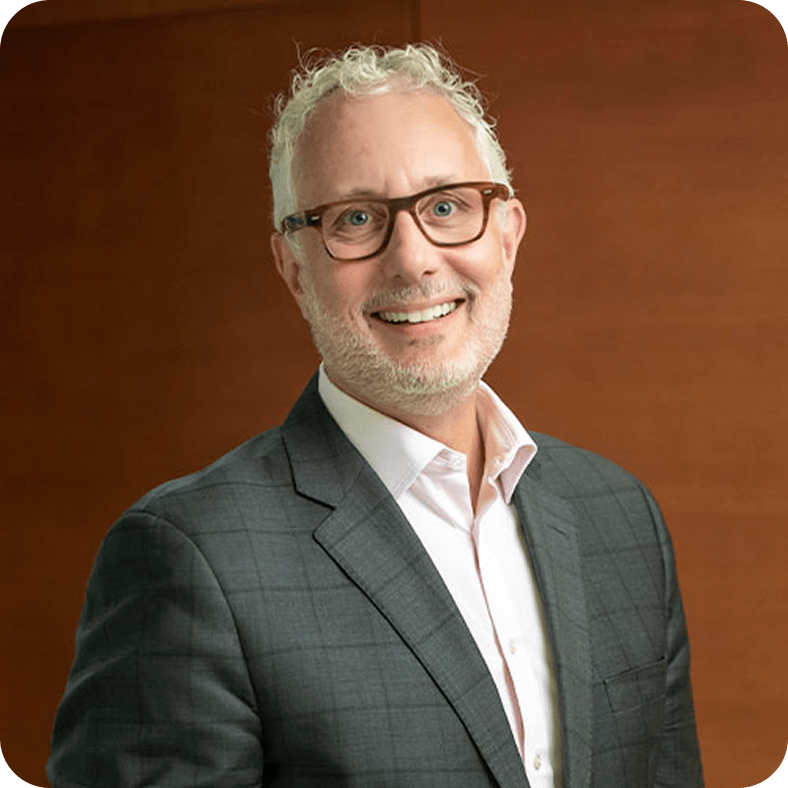
Michael Zeuner

Michael Zeuner

Founder & Managing Partner

Fraud Alert

Impersonation fraud is becoming increasingly common across the financial industry, and we want to help our contacts stay alert.

WE Family Offices does not send unsolicited investment, partnership, or capital-deployment proposals. If you have received an email of this nature referencing our employees, it did not come from us. Our only official domain is wefamilyoffices.com.

Please do not reply, click any links, or share any information.