What helps some families preserve wealth across generations while others struggle to maintain it?
According to Mel Lagomasino, Managing Partner at WE Family Offices, successful multi-generational families tend to share three characteristics: a clear set of family values, a disciplined approach to managing wealth and an intentional process for preparing future leaders.
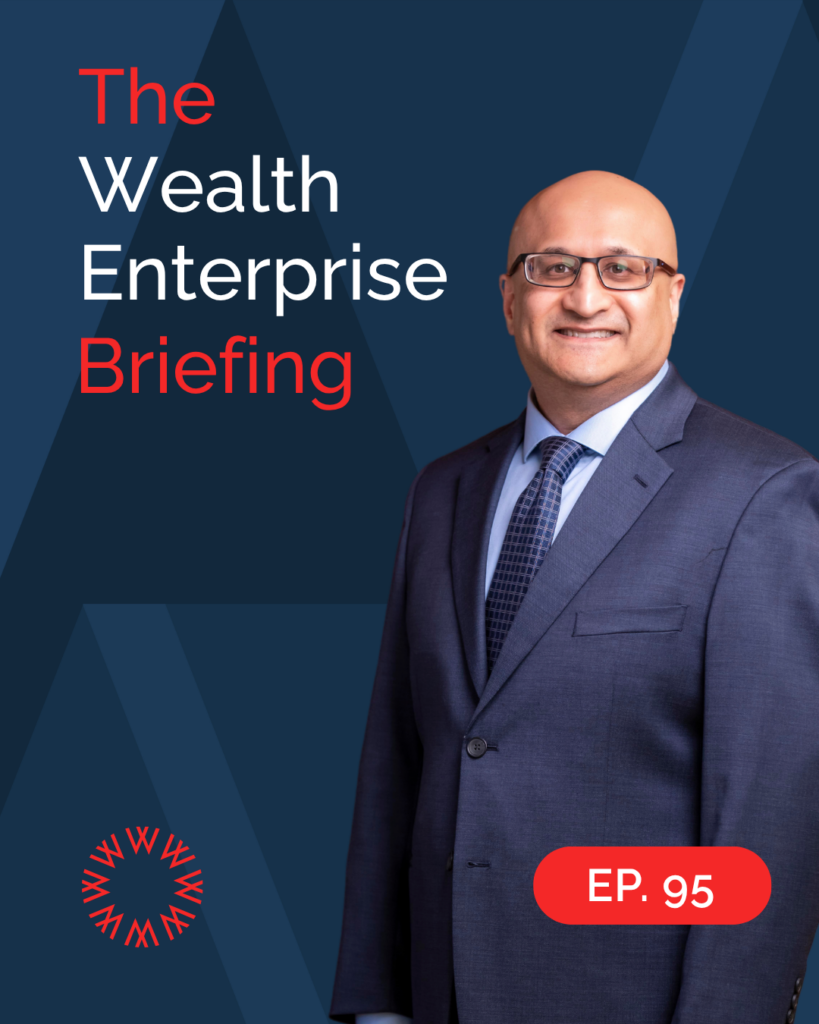
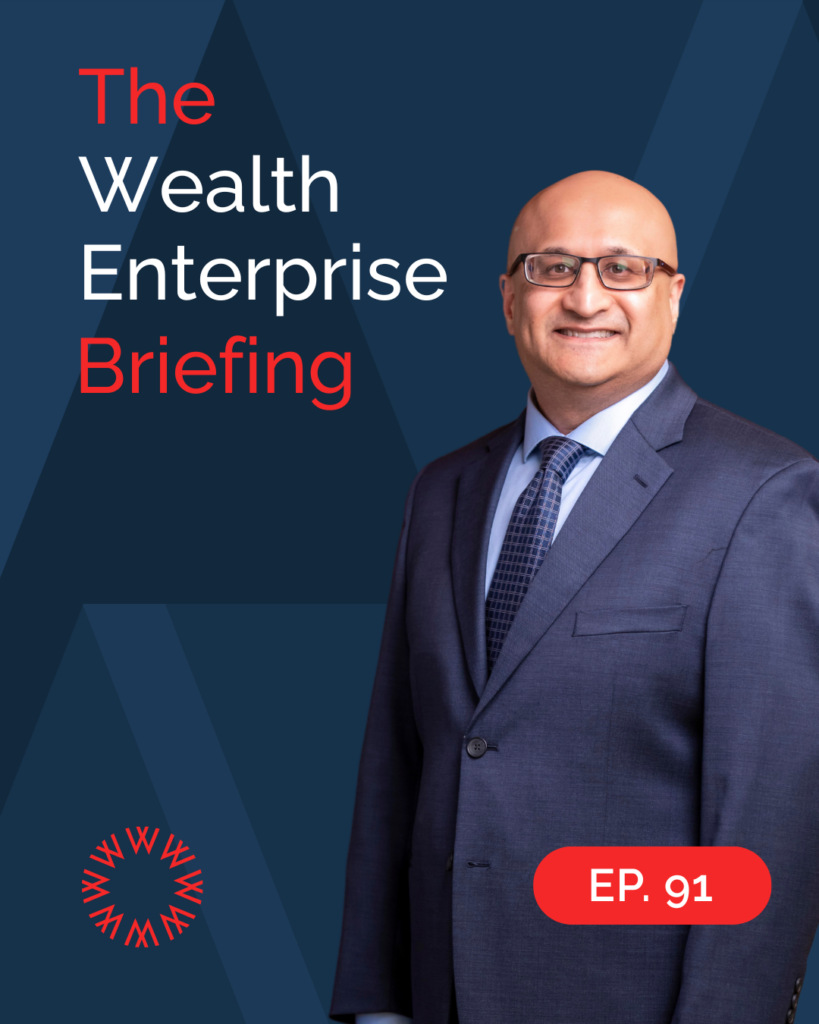
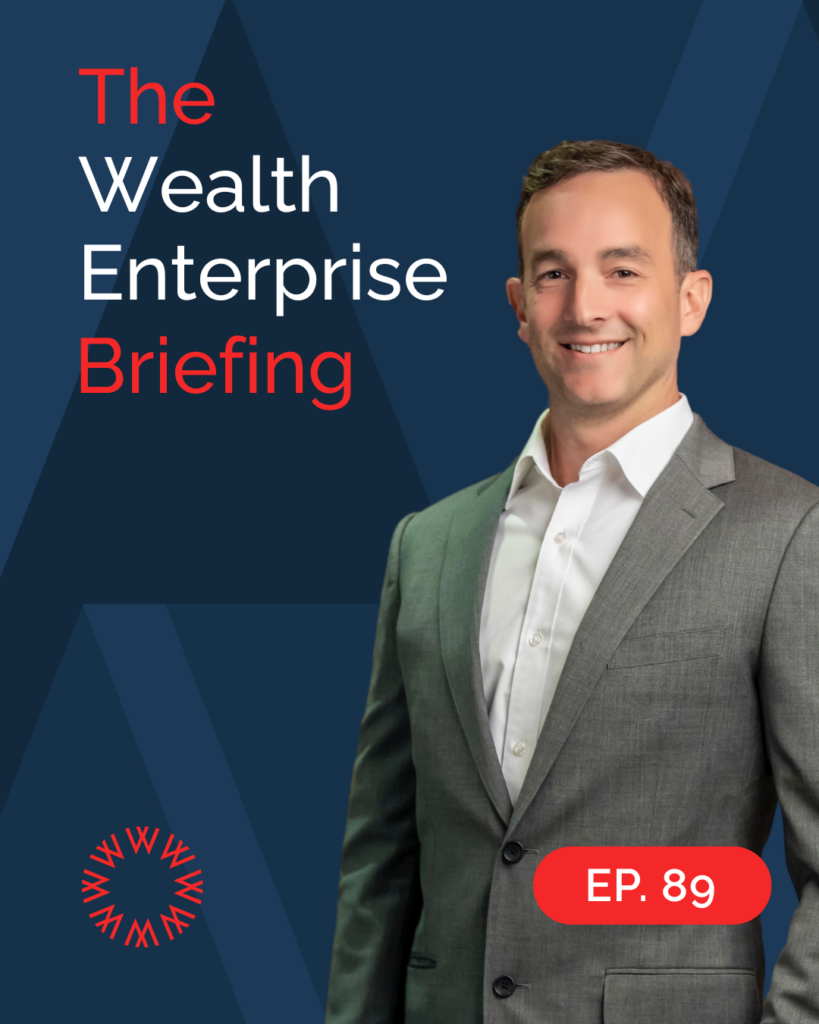
Drawing on more than four decades of experience advising wealthy families worldwide, Mel discusses these themes with fellow Managing Partner, Michael Zeuner, in the first episode of our new podcast conversation series, Inside the Family Office.
While investment performance is important, families that successfully sustain wealth over multiple generations often recognize that long-term success depends on much more than financial capital alone.
They Define What Their Family Stands For
Successful families share a defined set of values that shape family identity and guide decisions.
Some families emphasize entrepreneurship or education; others prioritize service or stewardship. What matters is that family members understand what these values represent.
These values provide a foundation that helps families work through changes, opportunities and adversities over time. They create continuity across generations and serve as a framework for making important decisions.
They Manage Wealth Like an Enterprise
One of the most important observations from the discussion is that successful families do not manage wealth as a collection of disconnected investments, businesses, real estate holdings and philanthropic activities.
Instead, they manage wealth as an integrated enterprise.
Just as successful organizations establish governance structures, decision-making processes, accountability and long-term planning, successful families apply similar disciplines to their wealth. This approach helps institutionalize decision-making and creates a framework that can endure beyond any one generation.
Financial, human, and intellectual capital are viewed as interconnected components of a larger system: a concept WE Family Offices refers to as the Wealth Enterprise approach.
They Intentionally Prepare the Next Generation
Families that sustain wealth across generations make leadership development an ongoing priority.
Rather than waiting until a wealth transfer occurs, they actively involve younger family members in conversations about investments, philanthropy, governance, business ownership and decision-making.
By participating in real-world discussions and decisions, future leaders gain experience, judgment and confidence long before they are expected to assume greater responsibility.
Preparing the next generation is not a single event. It is a continuous process of education, mentorship and engagement.
Why Multi-Generational Wealth Requires Long-Term Thinking
As family wealth grows, decisions often have implications that extend well beyond the current generation.
Questions about investments, taxes, governance, succession and family leadership become increasingly interconnected. The challenge is no longer simply managing wealth today, but creating systems and structures that can support future generations.
Families that successfully preserve wealth understand that long-term stewardship requires intentional planning, strong governance and a commitment to developing future leaders.
Key Takeaways
Families that successfully preserve wealth across generations often share three common traits:
- A clear set of family values and purpose
- A disciplined approach to managing wealth as an enterprise
- An intentional process for preparing future leaders
Together, these characteristics help families strengthen both their financial capital and their human capital, creating a foundation for long-term success.
If you’d like to discuss how these principles apply to your family’s wealth management and governance structure, please be in touch.
Important Information:
The Wealth Enterprise Briefing contains our current opinions and commentary, which are subject to change without notice. The Briefing is distributed for informational and educational purposes only and does not consider the specific investment objective, financial situation or particular needs of any recipient. Information contained herein has been obtained from sources we believe to be reliable, but we do not guarantee its completeness or accuracy. The information in the Briefing is not a recommendation of any security, and should not be relied upon as investment, legal or tax advice. Please consult with your investment, legal and tax advisors regarding any implications of the information presented in this presentation.